Understanding Computer Recycling Reading
As technology advances, the issue of electronic waste or e-waste becomes increasingly crucial. In Reading, the concept of computer recycling reading is gaining momentum, providing local residents with efficient solutions to dispose of their old electronic devices responsibly. Understanding what computer recycling is and its importance can lead to more sustainable technology consumption.
What is Computer Recycling?
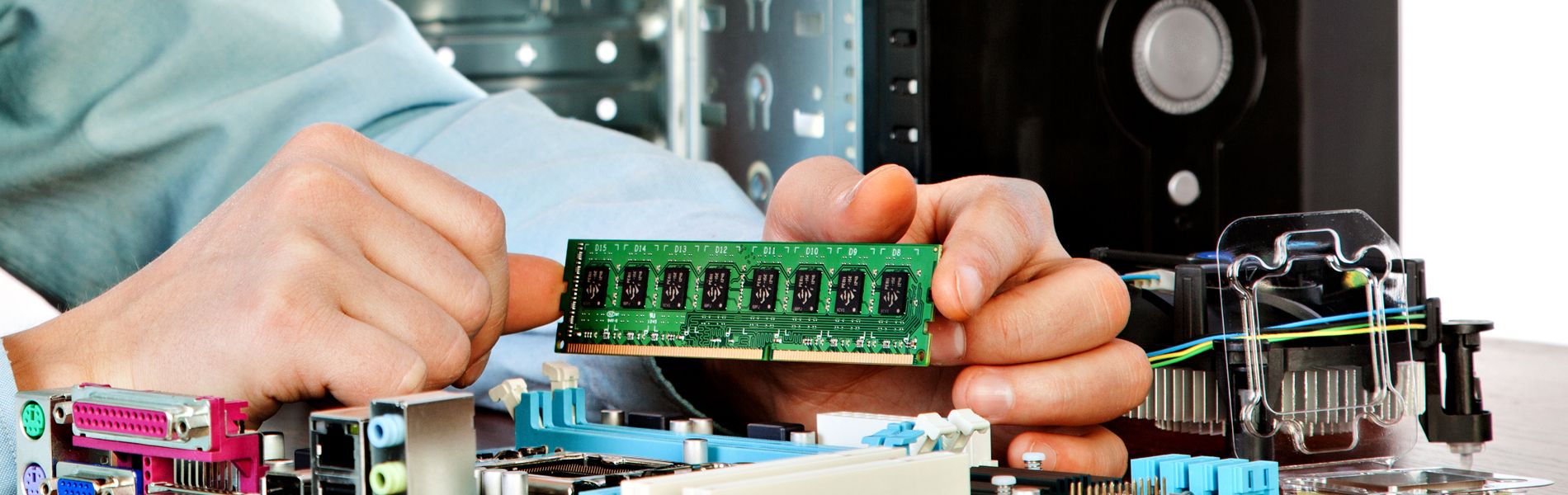
Computer recycling is the process of disposing of computer hardware and peripherals in an environmentally safe way. This practice involves dismantling computers to recover valuable materials such as metals, plastics, and glass. By recycling, we prevent harmful substances found in electronics from entering landfills, where they could pollute soil and water sources. Recycling also reduces the need for raw materials, which can help conserve the planet's resources.
Benefits of Computer Recycling
- Environmental Protection: By recycling computers, we minimize the landfills' burden and reduce the potential for environmental contamination.
- Resource Recovery: Recycling allows valuable materials to be recovered, reducing the need for new raw materials.
- Energy Conservation: The energy required to recycle materials is generally less than that needed to extract and process new materials.
- Social Responsibility: Contributions to community programs can help ensure that those in need have access to technology through refurbished devices.
Key Components of Recycling Programs
Effective recycling programs consist of several essential elements:
- Collection Points: Locations accessible to the public where e-waste can be dropped off.
- Proper Handling: Trained technicians should handle electronics to ensure safe dismantling and data destruction.
- Data Security: Ensuring that personal information stored on devices is securely erased before recycling.
- Education & Awareness: Informing the community about the benefits and methods of recycling electronics.
Steps for Effective Computer Recycling Reading
Preparing Your Computer for Recycling
Before recycling your computer, several steps should be taken to ensure the process is as effective and secure as possible.
- Backup Important Data: Always back up your files. Use external hard drives or cloud storage for your important information.
- Wipe Personal Data: Use data wiping software to securely erase the files on your hard drive. Options like DBAN (Darik's Boot and Nuke) can permanently delete data.
- Remove Accessories: Detach any peripherals like keyboards, mice, and cables, as these may not be accepted at all recycling centers.
Finding a Recycling Center
Locating a recycling center is crucial for responsible disposal. In Reading, various local facilities and programs are available. Research organizations that participate in e-waste recycling and look for their acceptance criteria. Many community programs may provide free collection days.
Scheduling Your Drop-Off
After preparing, arrange a drop-off for your computer at a recycling center. Most facilities accept walk-ins during their operating hours. Some centers may offer scheduled appointments or special community events that allow larger collections of electronics.
Common Myths About Computer Recycling Reading
Debunking Myths Around E-Waste
Several myths deter individuals from recycling their old devices. Addressing these misconceptions is essential for improving recycling rates.
- Myth: Recycling is too complicated: Many recycling centers strive to make the process easy, offering clear guidance on how to prepare electronics.
- Myth: All recyclers are the same: It's crucial to research recyclers to find ones compliant with environmental standards and responsible handling processes.
The Truth About Data Security
One common concern about recycling computers is the potential for data theft. However, many reputable recycling programs offer secure data destruction services. Ensuring your data is handled correctly is essential for peace of mind during the recycling process.
Environmental Impact Misconceptions
Some people believe that recycling is ineffective in addressing e-waste problems. However, comprehensive recycling programs can significantly reduce the volume of toxic waste and keep valuable materials in circulation.
Local Computer Recycling Resources
Government-run Recycling Initiatives
Government initiatives aim to enhance community participation in recycling programs. Various public disposal options include special collection days or drop-off facilities managed by local government entities.
Community Recycling Programs
Community-driven efforts often focus on local residents, offering free or inexpensive recycling services. These initiatives might include educational outreach to inform citizens of the recycling process and its benefits.
Private Services and Their Offerings
Private recycling services can provide additional resources for effective electronic disposal. These may include on-site destruction of data for businesses and individuals prioritizing data security.
FAQs on Computer Recycling Reading
What types of electronics can be recycled?
Most recyclers accept computers, monitors, printers, and peripherals. Check with your center for specifics.
Is there a fee for recycling computers?
Many local programs offer free recycling; however, some private services may charge a small fee for drop-off.
How do I remove my personal data before recycling?
Use data wiping software or physically remove the hard drive from your computer before recycling.
Are there local events for computer recycling?
Yes! Check local community calendars for e-waste collection events held throughout the year.
What happens to the recycled materials?
Recycled electronics are dismantled, and materials like metals and plastics are separated for reuse in new products.