Understanding Hidden Leak Detection
Hidden leaks can be a homeowner's worst nightmare, quietly wreaking havoc behind walls and under floors. They can lead to structural damage, increased utility bills, and unhealthy mold growth, all while remaining undetected for long periods. In today's fast-paced world, having an efficient and effective strategy for hidden leak detection is not just an advantage; it's a necessity. This article will delve into the nuances of hidden leak detection, exploring its methodologies and the pivotal role it plays in maintaining the integrity of your home.
What Is Hidden Leak Detection?
Hidden leak detection refers to the process of identifying leaks that are not immediately visible to the naked eye. These leaks often occur within the plumbing systems of homes, including water supply lines, drainage pipes, and even gas lines. Because these pipelines are often concealed behind walls, under floors, or buried underground, specialized techniques and technologies are required to detect them without causing significant disruption to the property.
Common Signs of Hidden Leaks
Identifying the signs of a hidden leak can prevent costly repairs and extensive damage. Here are some common indicators to be aware of:
- Unexpectedly high water bills that suggest increased consumption.
- Wet spots on walls, ceilings, or floors.
- Water stains or discoloration near plumbing fixtures.
- Mold or mildew growth, particularly in damp areas.
- Cracks in the foundation or walls that may develop over time.
- The sound of running water when all fixtures are turned off.
Why Early Detection Is Crucial
Early detection of hidden leaks is critical for several reasons:
- Prevent Structural Damage: Water leaks can lead to extensive damage, compromising the structural integrity of your home.
- Mold Growth: Damp and wet conditions are conducive to mold proliferation, which poses health risks to occupants.
- Higher Utility Bills: Leaks can result in increased water consumption, which directly affects your monthly bills.
- Cost Savings: Addressing leaks promptly reduces the need for extensive repairs and ensures that your plumbing system operates efficiently.
Advanced Techniques for Detecting Hidden Leaks
Modern leak detection technology has evolved significantly, making it easier for professionals to identify leaks accurately and efficiently. Here are some advanced techniques commonly employed in the industry:
Pressure Testing: A Primer
Pressure testing is a straightforward yet effective method for leak detection. This technique involves isolating sections of the plumbing system and monitoring pressure changes. A drop in pressure indicates a potential leak and determines the extent of the issue without invasive inspections.
Utilizing Thermal Imaging Technology
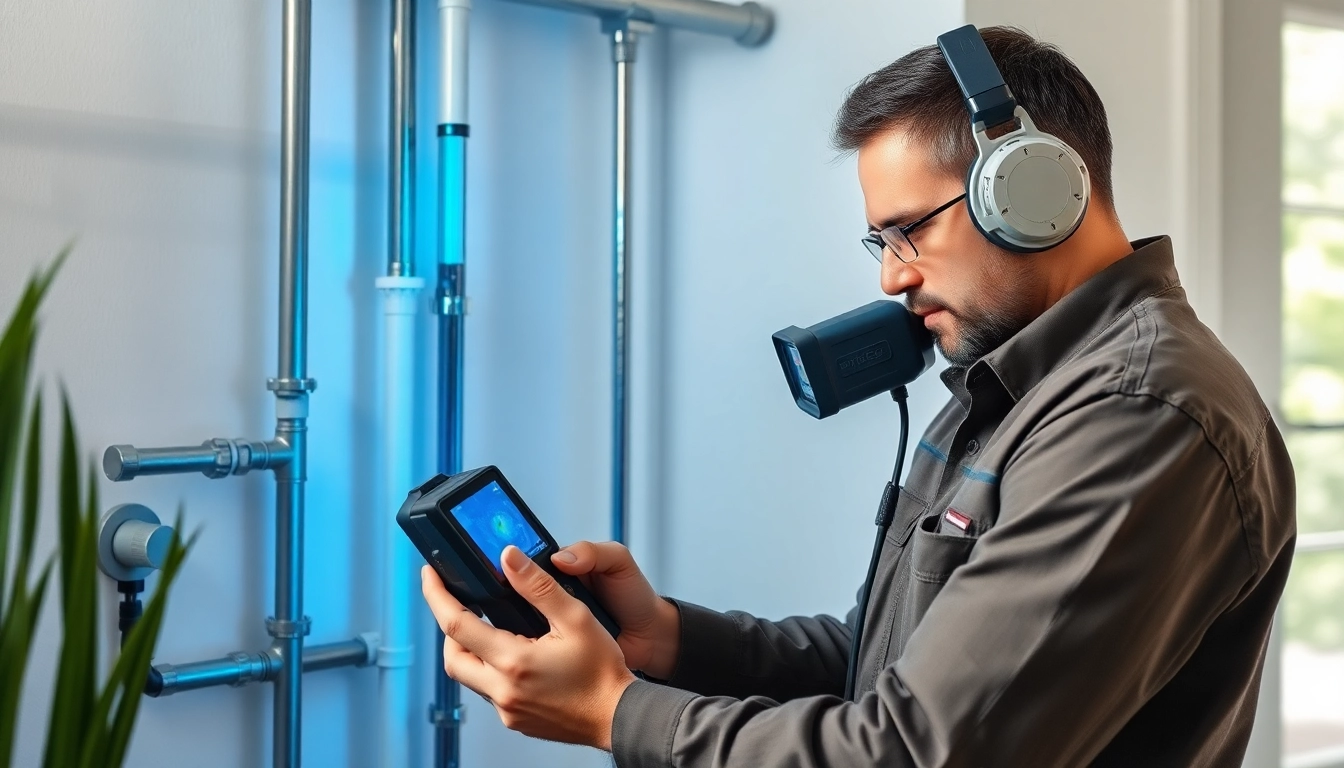
Thermal imaging cameras are invaluable tools in the realm of leak detection. They detect temperature variations within walls, floors, and ceilings caused by escaping water. This non-invasive technology allows technicians to pinpoint leak locations without causing damage to the property, facilitating quick repairs.
Acoustic Listening Devices Explained
Acoustic listening devices work by amplifying the sounds of water escaping from pipes. Trained technicians can use these devices to listen for the distinct sounds of leaks, even when the pipes are buried or hidden, making this method highly effective for locating internal leaks.
Choosing a Professional Leak Detection Service
When it comes to leak detection, selecting a qualified professional is essential. The right service can make all the difference between a quick fix and prolonged structural damage.
Qualities to Look for in a Leak Detection Expert
- Experience: Look for companies with a proven track record in leak detection, particularly those with specialized training.
- Advanced Equipment: Ensure that the technicians are equipped with the latest technologies for accurate detection.
- Transparency: A reputable service should provide clear communication about the detection process and expected outcomes.
- Guarantees: Look for companies that offer warranties on their work, ensuring peace of mind.
What to Expect from a Leak Detection Service
When you hire a professional leak detection service, you can expect a thorough assessment of your home. This typically includes:
- A detailed inspection of all plumbing systems.
- Use of advanced leak detection technologies.
- A comprehensive report detailing findings, along with photographs and suggested repairs.
Comparing DIY vs. Professional Services
While some homeowners may consider using DIY methods for leak detection, professional services offer advantages that DIY approaches typically cannot match, such as:
- Expertise: Trained professionals understand the nuances of different plumbing systems and have the experience to identify leaks accurately.
- Advanced Tools: Professionals utilize specialized equipment that allows for non-invasive inspections and precise leak location.
- Time Efficiency: Hiring experts can save time and prevent frustration associated with trial-and-error methods.
Preventive Measures to Avoid Hidden Leaks
Preventing leaks before they occur is ideal for homeowners looking to maintain their properties and avoid costly repairs. Here are some effective preventive measures:
Regular Maintenance of Plumbing Systems
Regular maintenance of plumbing systems can help identify potential issues before they develop into significant problems. Schedule annual inspections with a qualified plumber to ensure all components of your plumbing system are functioning correctly.
Identifying Vulnerable Areas in Your Home
Certain areas of your home are more prone to leaks, such as:
- Basements and crawlspaces where moisture accumulation is likely.
- Areas around faucets, toilets, and water heaters.
- Heating systems, particularly in areas with radiators and pipes.
Emergency Preparedness for Leak-related Issues
Being prepared for potential leaks can minimize damage. Consider the following actions:
- Know how to shut off your water main in case of an emergency.
- Keep emergency contact information for plumbing services readily available.
- Install leak detection alarms in critical areas, such as basements and near water heaters.
The Future of Hidden Leak Detection in 2025
The field of hidden leak detection is rapidly evolving, with new technologies and methods constantly emerging to improve accuracy and efficiency. Here’s a look at what the future may hold:
Emerging Technologies in Leak Detection
As technology advances, we can expect to see developments such as:
- Smart Plumbing Systems: Integration of IoT technology can allow homeowners to monitor their plumbing systems remotely, alerting them of leaks in real-time.
- Advanced Sensors: New sensor technologies may offer even more precise leak detection capabilities.
- Machine Learning: AI algorithms could analyze data to predict potential leak occurrences before they happen.
Predictions for Leak Detection Services
In the coming years, leak detection services are likely to incorporate more automated systems, making it easier for homeowners to maintain their properties while also reducing labor costs associated with traditional leak detection methods.
Building a Sustainable Home with Leak Prevention
As homeowners become more conscientious about sustainability, adopting leak prevention techniques not only protects the property but also conserves water, contributing to environmental sustainability. Implementing eco-friendly plumbing systems and practices will be pivotal in achieving these goals.