Introducing Everest Base Camp Trek Packages
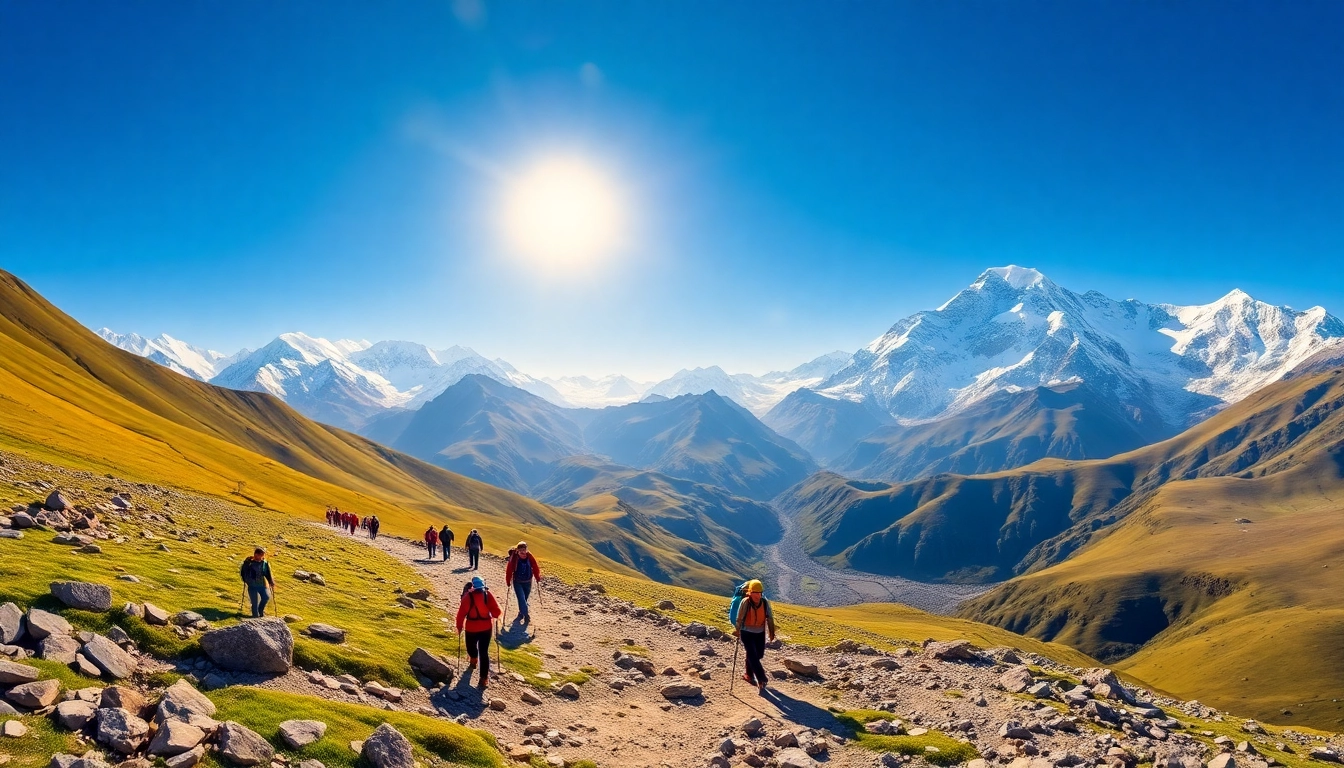
The Everest Base Camp trek is not just an ordinary trek; it's a life-changing adventure that beckons thousands of trekkers from around the world each year. Nestled in the majestic Himalayas of Nepal, the trek takes you to the foot of the world's highest peak, Mount Everest, providing breathtaking views and rich cultural experiences. As you embark on this exhilarating journey, the right Everest base camp trek packages can significantly enhance your trekking experience, ensuring you get the most out of this extraordinary journey.
Overview of Everest Base Camp Trek
The Everest Base Camp trek typically spans 14 days, covering a distance of approximately 130 kilometers (80 miles) round trip. The trek begins with a thrilling flight from Kathmandu to Lukla, the gateway to the Everest region, followed by a gradual ascent through picturesque Sherpa villages, lush forests, and stunning mountain vistas. Highlights of the trek include Namche Bazaar, Tengboche Monastery, and of course, the iconic Base Camp at 5,364 meters (17,598 feet). Trekkers can also enjoy acclimatization days to help adjust to the altitude, ensuring a safer and more enjoyable experience.
Why Choose Everest Base Camp Trek Packages?
Opting for a pre-arranged trek package saves time and effort in planning logistics, which can be overwhelming in a foreign country. Well-organized trek packages typically include accommodation, meals, guides, porters, and necessary permits, providing a hassle-free experience. Moreover, trekking with a reliable company like Ace the Himalaya ensures safety, expert guidance, and support throughout the journey.
Features of a Quality Trek Package
- Experienced Local Guides: Knowledgeable guides with high-altitude training who understand the region’s terrain and culture.
- Quality Accommodation: Comfortable lodging in teahouses or lodges along the route, ensuring a good night’s rest.
- Meals Included: Nutritious meals that cater to varied dietary preferences, including vegetarian options.
- Porter Support: Dedicated porters who carry your heavy gear, allowing you to enjoy the trek without the burden.
- Permits and Logistics: All necessary trekking permits are arranged, along with airport transfers and local transport.
Popular Trek Packages for 2025
14-Day Standard Trek Package Overview
The standard 14-day trek package is the most popular choice for trekkers. It covers all the essential aspects of the journey, including acclimatization days to treat altitude sickness effectively. This package typically includes accommodation at local lodges, three meals a day, a professional English-speaking guide, and porter services, making it ideal for those who wish to immerse themselves in the culture and scenery of the Everest region while enjoying a structured itinerary.
Luxury Trek Package Highlights
For those looking for a more comfortable experience, the luxury trek package is an excellent option. This package includes upgraded accommodation in premium lodges, hot showers, and gourmet meals. With fewer trekking days, luxury packages often feature scenic helicopter return options, which allow trekkers to experience the stunning aerial views of the mountains.
Helicopter Return Trek Options
Helicopter return packages cater to those with time constraints who still wish to experience the breathtaking landscapes of the Everest region. These packages provide the thrill of helicopter rides back to Lukla from Gorak Shep, eliminating the need to trek back the full distance. This option is not only time-saving but also provides a unique perspective of the majestic Himalayan peaks.
Cost Breakdown of EBC Trek Packages
Standard Pricing for 2025 Packages
The prices for the Everest Base Camp trek packages vary based on the inclusions and level of service. For instance, the standard 14-day trek package starts at around USD 1,650 per person. The cost may increase based on group size, season, and optional add-ons, such as luxury accommodations or helicopter returns. It is advisable to book early as prices may fluctuate, especially during peak trekking seasons.
What’s Included in the Price?
Typically, the package price covers the following:
- Two nights' accommodation in Kathmandu before and after the trek.
- All required permits and entrance fees for trekking.
- Accommodation in teahouses during the trek.
- Three meals a day while on the trek.
- Experienced English-speaking guide and porters.
- Domestic flights from Kathmandu to Lukla and back.
Additional Costs to Consider
While the package includes many essentials, trekkers should be prepared for additional expenses such as:
- Snacks and drinks during the trek.
- Tips for the guide and porters.
- Charging electronic devices at lodges.
- Extra expenses for international flights and travel insurance.
Preparing for Your Everest Base Camp Journey
Essential Gear and Packing List
Having the right gear is crucial for a successful trek. Essential items include:
- Footwear: Quality trekking boots that provide ankle support.
- Clothing: Layered clothing suitable for varying temperatures, including thermal layers, waterproof jackets, and windbreakers.
- Backpack: A sturdy daypack for carrying essentials during daily hikes.
- Sleeping Gear: Optional rental of sleeping bags rated for lower temperatures.
- First Aid Kit: Personal medications, altitude sickness pills, and basic first aid supplies.
Training for the Trek: Fitness Tips
Physical conditioning is essential for the strenuous trekking involved in the EBC journey. A recommended training regimen includes:
- Regular cardiovascular exercise (running, swimming, cycling) for stamina.
- Hiking with a loaded backpack on trails similar to those encountered on the trek.
- Strength training to build core and leg strength, aiding in ascents and descents.
Understanding Acclimatization Needs
Acclimatization is vital to prevent altitude sickness. During the trek, acclimatization days are built into the itinerary, particularly in Namche Bazaar and Dingboche. It is essential to listen to your body and take the necessary time to adapt to the altitude.
Frequently Asked Questions
What is the Best Time to Trek?
The ideal times to undertake the Everest Base Camp trek are during the spring (March to June) and autumn (September to November) seasons. These periods offer stable weather conditions, clear skies, and stunning panoramic views of the mountains. Monsoon season (July-August) is often avoided by trekkers due to heavy rainfall, while winter months can be extremely cold.
What are the Safety Measures in Place?
Safety is paramount on the Everest Base Camp trek. All guides are trained in first aid and altitude sickness prevention. Moreover, trek packages include necessary insurance, and emergency evacuation procedures are in place. Adequate acclimatization days are also incorporated into the itinerary to mitigate altitude-related risks.
How to Handle Altitude Sickness During the Trek?
Recognizing the symptoms of altitude sickness is crucial for a safe trek. Headaches, nausea, dizziness, and fatigue are common signs. It’s essential to descend if symptoms worsen and to remain hydrated. Regular check-ins with your trekking guide regarding your condition will help manage altitude challenges effectively.