Understanding Leak Detection: The Basics
Leak detection is a critical service for homeowners that focuses on identifying hidden leaks in plumbing systems before they cause significant damage. A leak can lead to mold, structural issues, and skyrocketing water bills if left unresolved. As we delve into the fundamentals of leak detection, we will explore its definition, common causes of leaks, and the importance of timely detection. Understanding these elements can help homeowners protect their property and ensure the safety of their living environment. When exploring options, leak detection offers comprehensive insights into effective solutions.
What is Leak Detection?
Leak detection refers to the process of identifying and locating leaks within various systems, primarily water, gas, and heating. This service utilizes advanced technologies to pinpoint the source of a leak without causing unnecessary damage to your property. By employing both traditional and innovative methods, leak detection specialists can accurately assess the state of plumbing systems, ensuring homeowners receive timely and effective solutions.
Common Causes of Leaks in Homes
Leaks can occur due to a variety of reasons, including:
- Aging Pipes: Over time, pipes can corrode, leading to weak spots that may eventually develop into leaks.
- Improper Installation: Incorrectly installed plumbing components can create stress on pipes, resulting in leaks.
- High Water Pressure: Excessive pressure can strain plumbing systems, causing joints and fittings to fail.
- Temperature Changes: Extreme fluctuations in temperature can cause pipes to expand and contract, leading to cracks and leaks.
The Importance of Timely Leak Detection
Addressing leaks promptly is crucial for several reasons. Firstly, even a minor leak can escalate into a major problem, resulting in costly repairs over time. Secondly, water leaks can foster dampness, promoting mold growth that can affect air quality and pose health risks. Lastly, timely leak detection conserves water, aligning with environmental sustainability goals while saving homeowners money on utility bills.
Advanced Technologies in Leak Detection
With advancements in technology, leak detection methods have become more efficient and accurate. This section will explore the leading technologies used by professionals today and how they contribute to effective leak detection.
Pressure Testing Methods Explained
Pressure testing is one of the most reliable techniques in leak detection. It involves isolating sections of piping and monitoring the pressure changes. If there’s a leak, the pressure will drop, indicating the location of the problem. This method is particularly useful for testing water mains and complex plumbing systems.
Thermal Imaging: How It Works
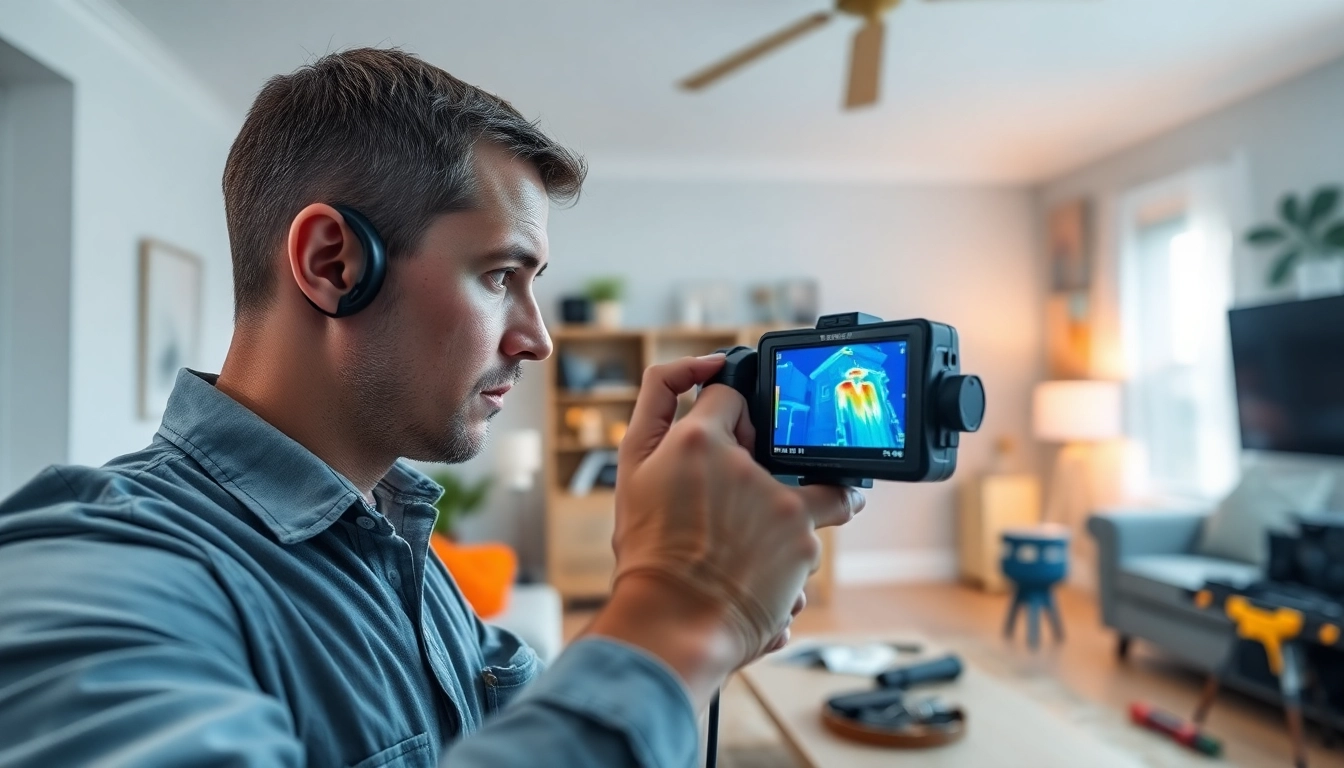
Thermal imaging cameras detect temperature variations caused by leaks. When water escapes from pipes, it often results in cooler or warmer surfaces, which thermal cameras can visualize. This non-invasive method is especially effective for identifying leaks behind walls and under floors, minimizing disruption in the home.
Using Acoustic Devices for Accurate Identification
Acoustic listening devices are another valuable tool in leak detection. These devices capture sounds created by leaking water or gas as it escapes from pipes. Technicians can pinpoint the leak’s location by analyzing the sound waves, even if the leaks are subterranean or hidden within walls.
Non-Invasive Leak Detection Methods
Non-invasive methods have revolutionized the leak detection industry by allowing specialists to locate leaks without causing damage to your home. This section will cover the benefits of these techniques and when homeowners should opt for them.
The Benefits of Non-Destructive Techniques
Choosing non-invasive leak detection methods offers numerous benefits, including:
- Minimal Disruption: These techniques allow for leak identification without the need to open walls or floors, preserving the integrity of your home.
- Cost-Effective: By avoiding unnecessary repair work from destructive methods, homeowners can save money.
- Quick Results: Non-invasive techniques typically yield faster results, enabling swift repairs and minimizing damage.
When to Choose Non-Invasive Solutions
Homeowners should consider non-invasive leak detection solutions when:
- They suspect hidden leaks but cannot easily access the plumbing.
- They want to prevent potential damage before it becomes a significant issue.
- They are focused on minimizing repair costs and the disruption of everyday life.
Case Studies: Success Stories of Non-Invasive Leak Detection
One illustrative case involved a family experiencing unexplained increases in their water bill. Non-invasive leak detection identified a hidden leak in the main water supply line, which would have gone unnoticed until major water damage occurred. By using thermal imaging and acoustic devices, the technicians pinpointed the leak without digging up any portion of the driveway, resulting in significant cost savings for the homeowners.
Choosing a Leak Detection Specialist
With various companies offering leak detection services, selecting the right technician can be challenging. This section will provide guidance on what to look for in a leak detection expert.
What to Look for in a Technician
When choosing a leak detection specialist, consider the following:
- Qualifications: Ensure the technician is certified and has extensive training in leak detection methods.
- Experience: Look for professionals with a proven track record in detecting various types of leaks in residential properties.
- Technology Use: Inquire about the technologies they use, ensuring they are up-to-date and effective.
Questions to Ask About Their Services
Before hiring a leak detection provider, ask questions such as:
- What methods do you use for leak detection?
- How quickly can you respond to emergency situations?
- What types of guarantees do you offer on your services?
Understanding Pricing and Guarantees
Leak detection costs can vary significantly. Ensure you understand the pricing structure, including whether it’s a flat fee or based on hourly rates. Also, inquire about any guarantees provided for their services, such as warranties on repairs they conduct.
Future Trends in Leak Detection
As technology continues to evolve, the future of leak detection is poised for significant changes. This section discusses emerging trends and how they may impact homeowners in 2025 and beyond.
Emerging Technologies for 2025 and Beyond
Future leak detection technologies are likely to include more advanced AI systems that can predict leaks based on consumption patterns and real-time data analytics. Additionally, the integration of smart home technologies will provide homeowners with immediate alerts regarding potential leaks, enabling proactive responses.
Environmental Impact Considerations
Leak detection will play a crucial role in addressing environmental issues related to water conservation. Increasing awareness about the importance of sustainable practices will lead to greater demand for leak detection services, ultimately helping to reduce water waste and protect resources.
Preparing Your Home for Future Leak Detection Needs
Homeowners should stay informed about the latest technologies and prepare their homes for potential leak detection. Regular maintenance checks of plumbing systems, along with investing in smart water monitoring devices, can significantly enhance leak detection efforts in the future.