Understanding Interventional Radiology: An Overview
Interventional radiology is a cutting-edge medical specialty that uses imaging techniques to guide small instruments through the body to diagnose and treat diseases, often without the need for large incisions. This innovative approach has revolutionized how certain conditions are managed, leading to better patient outcomes and decreased recovery times. In Abu Dhabi, the role of the interventional radiologist Abu Dhabi plays a crucial role in enhancing the quality of care available to patients, making advanced techniques more accessible than ever.
What is Interventional Radiology?
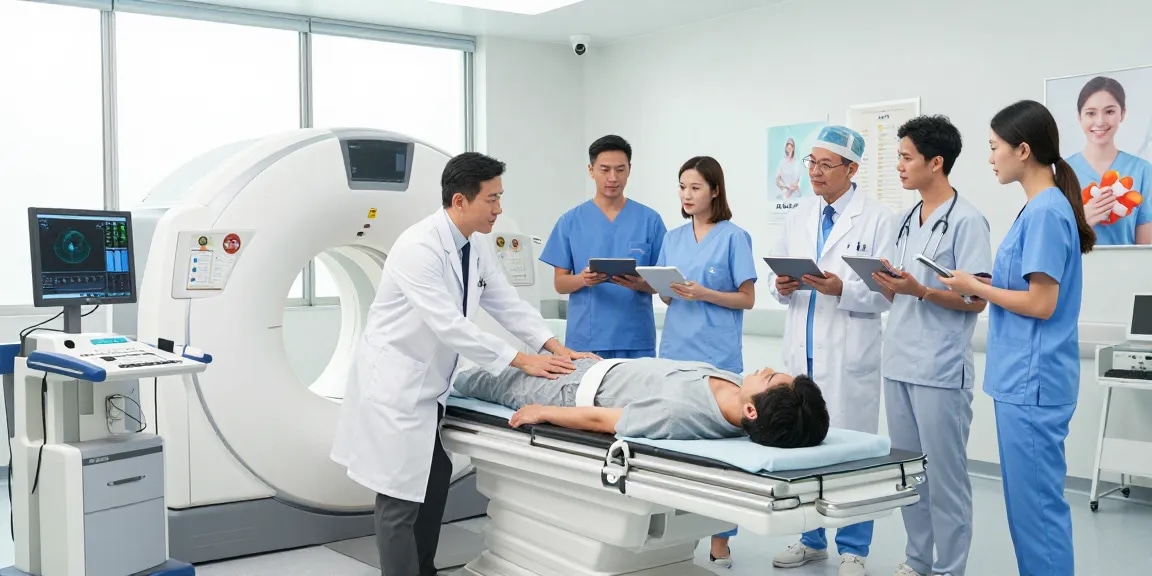
Interventional radiology is a subspecialty of radiology that emphasizes the use of minimally invasive procedures, using imaging modalities such as X-rays, CT scans, and ultrasound to guide interventions. Unlike traditional surgery, which often requires open procedures, interventional radiology uses small catheters, wires, and other instruments inserted through tiny incisions. This means patients can often experience less pain, shorter hospital stays, and faster recovery times.
The Role of Interventional Radiologists
Interventional radiologists are highly trained medical doctors who specialize in performing these minimally invasive procedures. They use advanced imaging techniques to diagnose and treat a wide range of conditions, from vascular issues to tumors. Their expertise allows them to devise tailored treatment plans, often in conjunction with other medical specialists, to ensure comprehensive patient care.
Common Procedures and Techniques
- Angioplasty and Stenting: These procedures are used to open blocked blood vessels.
- Biopsies: Interventional radiologists can perform biopsies to obtain tissue samples from suspicious lesions.
- Drainage Procedures: In cases of abscesses or fluid collections, they can place drainage catheters using imaging guidance.
- Embolization: This technique is often employed to block blood flow to tumors or abnormal blood vessels.
Impact of Interventional Radiology on Patient Care
Interventional radiology offers profound benefits to patients, changing how conditions are diagnosed and treated. By employing minimally invasive techniques, it minimizes the physical trauma and recovery time associated with traditional surgeries, thus significantly enhancing patient care.
Benefits of Minimally Invasive Procedures
The primary advantage of interventional radiology is its minimally invasive nature, which leads to:
- Reducing Pain: Smaller incisions mean less postoperative pain, reducing the need for pain medication.
- Faster Recovery: Patients typically recover more quickly than those who undergo traditional surgery.
- Lower Risk of Complications: The risk of infection and other complications is significantly lower compared to open surgery.
Case Studies: Successful Treatments in Abu Dhabi
In Abu Dhabi, numerous success stories in interventional radiology underscore its impact on healthcare. For instance, patients suffering from liver tumors have benefited from innovative embolization techniques that effectively reduce tumor size and improve overall survival rates without the need for extensive surgery. These cases exemplify how effective interventional radiology is in treating complex conditions.
Patient Safety and Quality of Care Standards
Ensuring patient safety is paramount in interventional radiology. Facilities in Abu Dhabi adhere to rigorous quality standards, employing advanced imaging technologies and protocols to minimize risks. Continuous training and education for interventional radiologists further enhance the safety and efficacy of procedures.
Choosing an Interventional Radiologist in Abu Dhabi
Selecting the right interventional radiologist is crucial for optimal treatment outcomes. Patients should consider various factors to ensure they receive the best possible care.
Essential Qualifications and Expertise
When looking for an interventional radiologist, verify their qualifications, including board certifications and fellowship training in interventional radiology. Experience in performing specific procedures related to the patient's condition can also be a significant factor.
Evaluating Healthcare Facilities and Technology
The quality of the healthcare facility can greatly influence the success of interventional procedures. Look for hospitals and clinics in Abu Dhabi that invest in the latest imaging technology and have a strong reputation for patient care.
Questions to Ask Your Radiologist
Before undergoing any procedure, it is essential to have an open dialogue with your interventional radiologist. Questions may include:
- What are the risks and benefits of the proposed procedure?
- How many times have you performed this procedure?
- What should I expect during recovery?
The Future of Interventional Radiology
The field of interventional radiology is rapidly evolving, with new technologies and techniques on the horizon that promise to further enhance patient care.
Emerging Technologies and Innovations
Innovations such as robotic-assisted procedures and advanced imaging techniques are set to revolutionize interventional radiology. These technologies aim to improve precision, reduce recovery times, and decrease the risks associated with procedures.
Trends and Predictions for 2026
By 2026, we can expect interventional radiology to become even more integrated into comprehensive care models, with an emphasis on personalized medicine. As technology continues to advance, the role of interventional radiologists in multidisciplinary teams will likely expand.
Potential Challenges in the Field
Despite its advancements, interventional radiology faces challenges, including the need for continuous education and adaptation to rapidly changing technologies. Additionally, ensuring access to quality care in underserved regions remains a critical concern.
Frequently Asked Questions (FAQs)
What conditions can be treated by interventional radiologists?
Interventional radiologists treat a variety of conditions, including vascular diseases, cancers, gastrointestinal issues, and more. Their ability to perform targeted minimally invasive procedures makes them invaluable in managing complex health problems.
How do I prepare for an interventional radiology procedure?
Preparation varies by procedure but generally includes fasting, medication reviews, and possibly pre-procedure imaging. Your radiologist will provide specific instructions tailored to your situation.
Are there risks associated with interventions?
As with any medical procedure, there are risks, including bleeding, infection, or complications related to anesthesia. However, interventional radiology is designed to minimize these risks through careful planning and execution.
What is the recovery process like after a procedure?
Recovery times vary based on the type of procedure but are generally shorter than for traditional surgeries. Most patients can return to normal activities within days to a week.
How can I find a qualified interventional radiologist in Abu Dhabi?
Research reputable healthcare facilities online, and consider seeking recommendations from primary care doctors or other medical professionals familiar with interventional radiologists.