 By Dante Giles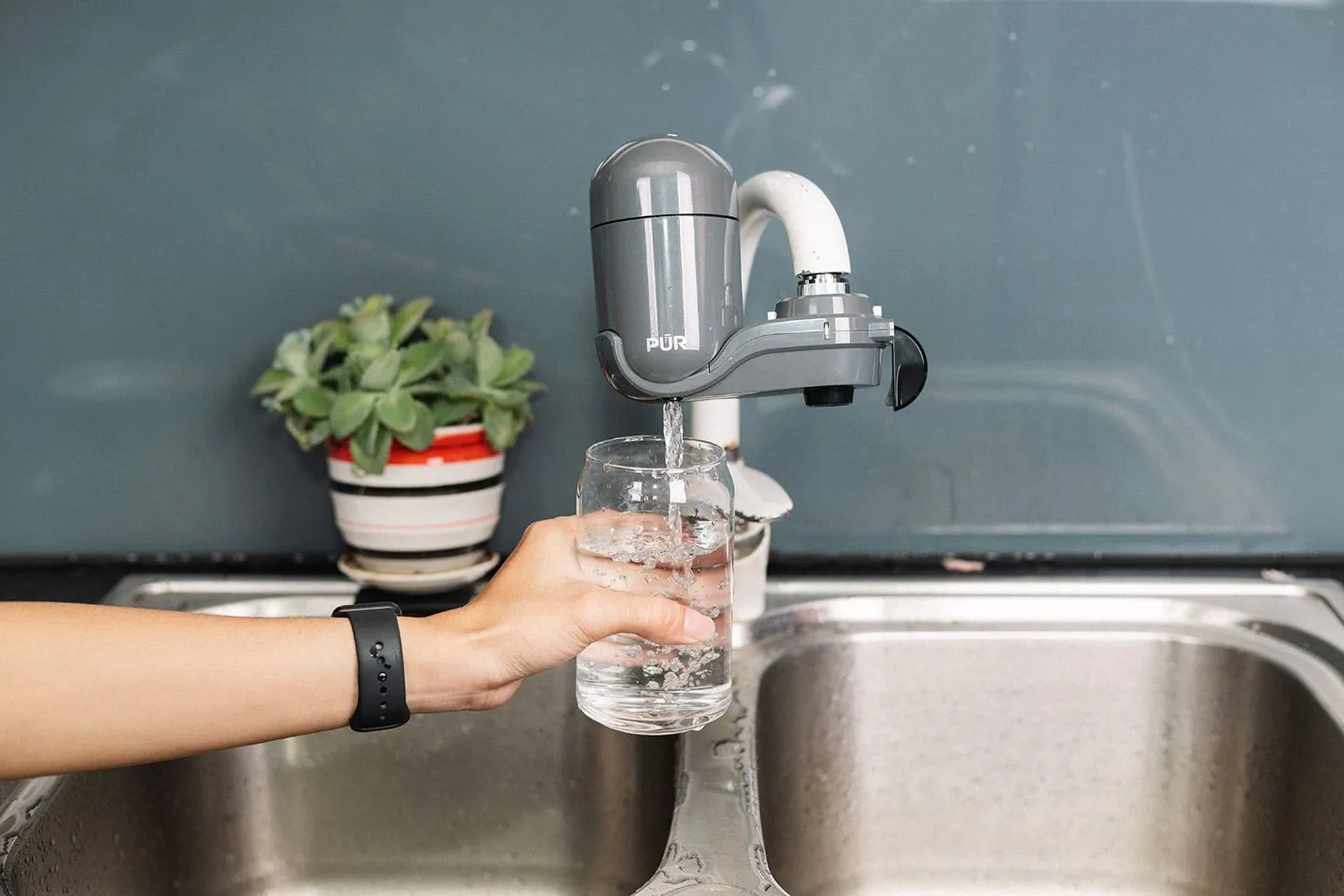
When it comes to clean drinking water, choosing the right filter can be overwhelming. Two of the most popular options on the market today are Brita and Pur. But which one is really worth your investment? In this article, we will explore the brita or pur debate in detail, considering filtration efficiency, taste, cost, convenience, and real-life performance.
Brita is a brand that has become synonymous with water filtration pitchers and dispensers. It uses activated carbon and ion-exchange resin filters to reduce chlorine, copper, mercury, and other impurities. Many people choose Brita for its simple design, ease of use, and reliable performance.
Pur, on the other hand, is known for its advanced filtration systems. Pur filters often include activated carbon along with additional technologies such as mineral stones or advanced ion exchange to remove lead, mercury, and certain contaminants more effectively than standard filters. Pur also offers faucet-mounted filters in addition to pitchers, providing more versatility.
Both Brita and Pur aim to make tap water taste better and reduce contaminants. However, the way they achieve these goals differs, which can influence your choice depending on personal preferences and household needs.
When considering Brita or Pur, the first factor to examine is how well each filter removes impurities. Brita is highly effective at reducing chlorine, taste, and odor, making water taste fresher. However, it may not remove heavy metals such as lead as efficiently as Pur.
Pur filters generally have a broader range of contaminant removal, including lead, mercury, and certain chemicals, making them a more comprehensive option for households concerned about heavy metal exposure.
In laboratory tests and independent studies, Pur has shown a higher lead removal rate than Brita. For example, a study testing water from older pipes in urban homes showed that Pur reduced lead levels by over 90%, while Brita reduced lead by around 70%. For households with older plumbing, this can make a significant difference in health safety.
One of the primary reasons people buy a water filter is for better-tasting water. Both Brita and Pur improve water taste, but users report subtle differences. Brita tends to soften the water slightly and remove chlorine taste effectively. Pur, however, often delivers a crisper taste by filtering out more minerals and metals that can affect flavor.
Many households report that Brita water is ideal for everyday drinking, especially for children, because of its mild taste. Pur, on the other hand, is favored for cooking and making beverages like tea or coffee where a cleaner, neutral taste is preferred. Both brands succeed in improving taste, but preferences may vary based on individual sensitivity to flavor.
Cost is always a deciding factor. Brita pitchers are generally more affordable upfront, ranging from $20 to $40, with replacement filters costing around $5 to $8 each. Pur pitchers are slightly more expensive, with prices between $25 and $50, and their filters range from $8 to $12 each.
While Pur filters may cost more, their longer lifespan and advanced filtration can justify the higher price for those seeking maximum contaminant removal. Brita filters usually last about 40 gallons, whereas Pur filters can last 40 to 100 gallons depending on the model.
Both Brita and Pur offer easy-to-use pitchers and dispensers. Brita filters are simple to replace, and many models include an electronic indicator to track filter life. Pur offers similar convenience but also includes faucet-mounted options that allow continuous filtered water without refilling a pitcher. This added convenience may appeal to larger households or those seeking an instant water source.

Brita pitchers are lightweight and made of BPA-free plastic. They are durable enough for everyday use but may crack if dropped. Pur pitchers and dispensers are similarly constructed but often feature a sturdier design and larger capacity, suitable for families who drink more water daily.
Both brands provide a range of designs, from sleek modern pitchers to space-saving dispensers that fit in your fridge. Pur offers more advanced models with additional features such as LED filter change indicators and ergonomic handles, which can enhance the user experience.
When it comes to health, Pur generally offers more comprehensive protection, especially for lead removal. If you are concerned about aging pipes or potential heavy metals in your water supply, Pur may provide an extra layer of safety.
For households primarily concerned with taste and odor, Brita is often sufficient. It provides safe and pleasant drinking water without the higher cost of Pur filters. For households with infants, elderly family members, or those with weakened immune systems, Pur may be the better choice because of its superior contaminant reduction.
Both brands are committed to sustainability. Brita and Pur have filter recycling programs to reduce plastic waste. Brita partners with TerraCycle for filter recycling, while Pur encourages similar recycling through mail-in programs.
Choosing a filter with longer life reduces waste. Pur’s longer-lasting filters can be an environmentally smarter option over time, even if they cost more upfront. Brita is slightly more convenient for those who prioritize affordability over lifespan.
Consider a family living in a city with older plumbing. They notice metallic taste and are concerned about lead exposure. After testing both options, they found Pur reduced lead more effectively, and their cooking and beverages tasted noticeably cleaner. In contrast, a college student in a modern apartment found Brita perfect for daily drinking and making coffee without worrying about heavy metals. These examples illustrate that the best filter depends on your water quality and lifestyle.
Brita filters use activated carbon and ion-exchange resin to reduce chlorine, copper, and mercury. When comparing brita or pur, users often note that Brita excels in removing chlorine taste and odor, making water more enjoyable to drink.
Pur filters use advanced activated carbon along with additional technology to remove lead and other contaminants. In the brita or pur debate, Pur is often highlighted for its higher lead removal efficiency, giving users peace of mind about water safety.
Brita filters soften water slightly and remove unpleasant odors. Many households find that brita or pur taste comparisons show Brita water is smooth and ideal for everyday drinking and cooking.
Pur filters deliver a crisp, clean taste by removing more minerals and heavy metals. In daily brita or pur usage, Pur often ranks higher for those who prefer a neutral flavor for beverages like tea or coffee.
Brita pitchers are generally affordable, with replacement filters lasting about 40 gallons. When comparing brita or pur, the cost advantage often goes to Brita due to its lower initial and filter costs.
Pur pitchers are slightly more expensive, but their filters last longer and remove more contaminants. In brita or pur comparisons, users may choose Pur for the long-term value despite higher upfront costs.
Brita pitchers are lightweight, easy to fill, and include electronic indicators. When reviewing brita or pur, Brita often wins for simplicity and ease of everyday use.
Pur offers both pitchers and faucet-mounted options with LED filter indicators. In the brita or pur discussion, Pur stands out for convenience, especially for larger households or those wanting continuous filtered water.
Choosing between Brita or Pur ultimately depends on your priorities. If you are looking for a cost-effective, reliable water filter that improves taste and removes common impurities, Brita is a solid choice. However, if your priority is maximum contaminant removal, especially lead, and you value additional features and convenience, Pur is worth the higher investment. Both brands are reputable and offer safe, cleaner water. By understanding your water needs, household size, and budget, you can make an informed decision and enjoy safe, great-tasting water every day. Navigate easily through our content by starting from the main page.
Pur generally removes a broader range of contaminants, including lead and mercury, more effectively than Brita. Brita is sufficient for chlorine and taste improvement.
Yes, both Brita and Pur filters are designed for easy replacement. Many models have indicators that remind you when to change the filter.
Absolutely. Both filters improve water taste and safety, making them suitable for cooking, coffee, tea, and other beverages. Pur is often preferred for a crisper taste.
 admin
admin