

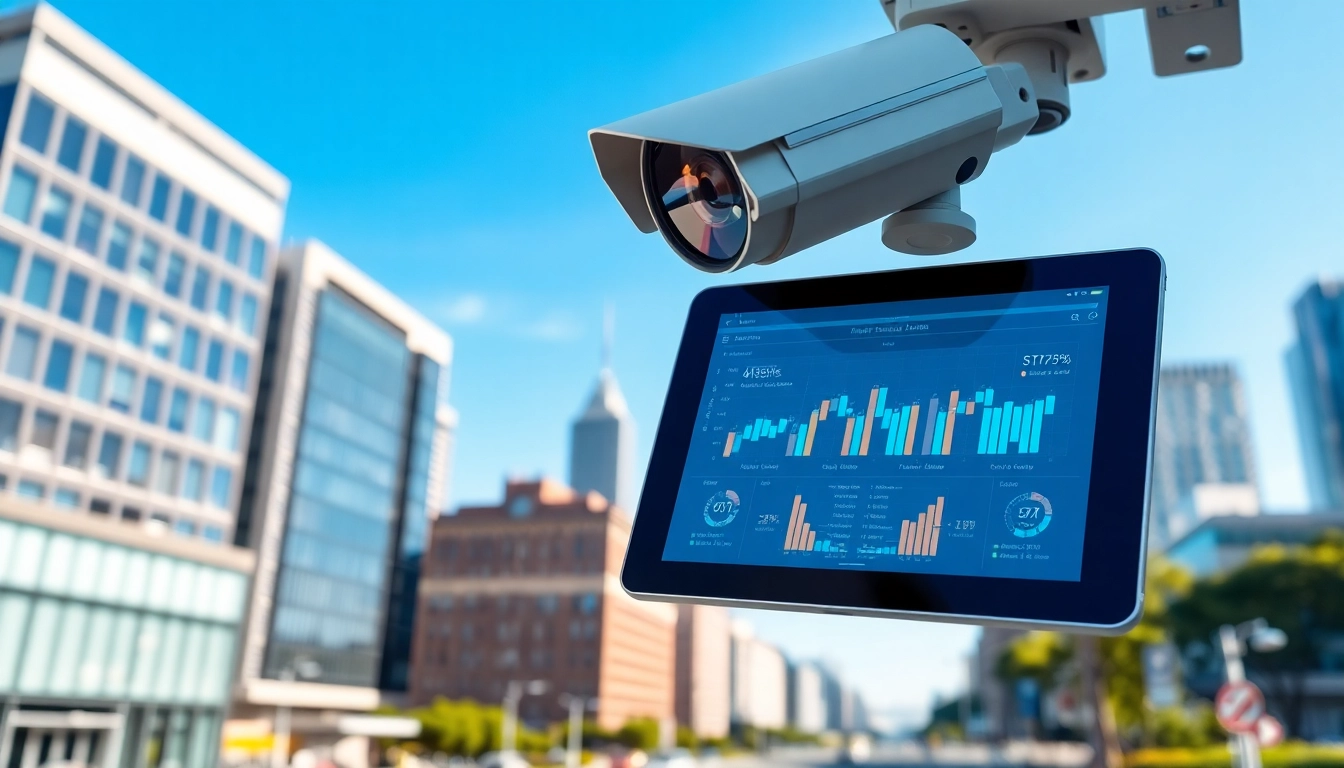
Introduction to CCTV Analytics
CCTV Analytics represents an exciting intersection of surveillance technology and data analysis, revolutionizing how we monitor and analyze environments. With the proliferation of video surveillance systems, understanding How does CCTV analytics work becomes vital for organizations aiming to enhance safety and security measures. By leveraging advanced technologies, CCTV analytics optimizes the utility of video data, transforming simple footage into insightful information that can inform decision-making in various sectors.
Definition of CCTV Analytics
CCTV analytics refers to the sophisticated software and algorithms used to enhance the functionality of traditional closed-circuit television systems. By employing techniques such as motion detection, facial recognition, and behavior analysis, CCTV analytics enables systems to process and interpret video data in real time. This capability elevates surveillance from passive monitoring to proactive management, allowing for immediate responses to events and the extraction of actionable insights from video feeds.
Importance of CCTV Analytics
The significance of CCTV analytics extends beyond mere surveillance. In an era where security concerns are paramount, integrating analytics into CCTV systems enhances public safety, aids in crime prevention, and protects private properties. Through its ability to identify patterns and anomalies, CCTV analytics helps organizations streamline their operations while ensuring compliance with safety regulations. Furthermore, the insights derived from data can optimize resource allocation, reduce operational costs, and improve overall security effectiveness.
How does CCTV analytics work?
Understanding How does CCTV analytics work involves a blend of hardware and software functionalities. It starts with capturing high-resolution video through modern cameras equipped with features such as Infrared (IR) night vision, wide dynamic range, and high frame rates. The video feed is then transmitted to a central processing unit or cloud server, where advanced algorithms analyze the footage. These algorithms can range from simple movement detection to more complex machine learning models that learn from the data. The software assesses the video stream in real time, detecting objects, recognizing faces, and even interpreting behavior patterns, allowing for alerts and notifications to be generated autonomously.
Key Components of CCTV Analytics
Camera Technologies and Specifications
The backbone of effective CCTV analytics is the camera technology employed. High-definition cameras equipped with features such as 4K resolution, PTZ (pan-tilt-zoom) capabilities, and thermal imaging significantly enhance the quality of the captured video. These capabilities ensure that footage remains clear and detailed, even in challenging conditions. Moreover, smart cameras with embedded analytics can reduce bandwidth by processing data locally, filtering out irrelevant information and transmitting only critical alerts to security personnel.
Analytics Software Features
Analytics software can include numerous features tailored to specific surveillance needs. Some common functionalities include:
- Motion Detection: Identifies movement within the monitored area and can trigger alerts.
- Facial Recognition: Matches captured faces against a database for identification purposes.
- People Counting: Measures foot traffic to analyze patterns in busy areas.
- Occupancy Detection: Monitors the presence or absence of individuals in designated spaces.
- Behavior Analysis: Observes and alerts on unusual activities, such as loitering or fights.
By incorporating these features, digital surveillance can transition from simple recording to comprehensive intelligence gathering, providing a more proactive security approach.
Data Management Systems
The effectiveness of CCTV analytics is also heavily reliant on robust data management systems. These systems store, retrieve, and manage video data securely, ensuring that footage is preserved for legal and analytical purposes. Legal regulations often dictate how long data must be kept, necessitating efficient archiving solutions. Advanced data management systems also employ cloud storage options, which facilitate easy access to footage from remote locations while ensuring data integrity and security.
Applications of CCTV Analytics
Public Safety Enhancements
One of the most profound applications of CCTV analytics is its contribution to public safety. In urban settings, intelligent video surveillance can lead to improved emergency response times by providing law enforcement and public safety officials with real-time information. Automated alerts can notify authorities of suspicious behavior or gatherings, potentially averting crimes before they occur. Furthermore, during large events, analytics can be used to monitor crowd movements, ensuring safety and managing potential hazards.
Business Asset Protection
Within the corporate sector, CCTV analytics plays a critical role in asset protection. Businesses can leverage video analytics to deter theft and vandalism by monitoring entry and exit points of stores, warehouses, and other facilities. The data generated can identify vulnerabilities and help in strategizing security practices, thereby not only protecting assets but also optimizing operational efficiencies. Moreover, the insights can contribute to better staff training and improve customer service.
Intelligent Transportation Systems
CCTV analytics also enhances transportation networks through intelligent traffic management systems. Cameras positioned on roads can monitor traffic flow, detect congestion, and automatically adjust traffic lights to optimize vehicle movement. This data aids in accident prevention and allows for more efficient public transport operations, ultimately improving the commuter experience and reducing environmental footprints.
Challenges in Implementation
Data Privacy Considerations
The deployment of CCTV analytics raises significant data privacy issues. Organizations must navigate complex regulations like the General Data Protection Regulation (GDPR) and local privacy laws to ensure compliance. Considerations include obtaining consent from individuals recorded and establishing clear data retention policies. Unauthorized monitoring can lead to legal implications and damage to reputations, emphasizing the need for transparency and responsible data usage.
Technical Limitations of Existing Systems
Despite advancements, many existing CCTV systems may be technically limited. Older camera models often lack advanced capabilities, which can hinder the effectiveness of analytics. Transitioning to a fully integrated and intelligent system requires significant investment and planning. Organizations must assess their current infrastructure and determine whether to upgrade or replace existing systems to fully leverage the potential of CCTV analytics.
Integration with Existing Infrastructure
Integrating new CCTV analytics capabilities with existing infrastructure can pose challenges. Organizations often have legacy systems that are incompatible with modern analytics software. Comprehensive planning is essential to ensure a smooth integration process. This approach includes understanding current workflows, compatibility issues, and developing hybrid systems that allow both new and legacy technologies to function harmoniously.
Future Trends in CCTV Analytics
AI and Machine Learning Integration
The future of CCTV analytics lies in the integration of artificial intelligence (AI) and machine learning (ML). These technologies will enable systems to learn from their environment and improve their accuracy over time. For instance, AI can enhance facial recognition algorithms, allowing for more reliable identification even in less-than-ideal conditions. Moreover, predictive analytics fueled by AI can forecast potential security incidents based on historical data, allowing for proactive measures.
Real-Time Data Processing Advances
Future advances in real-time data processing will further enhance CCTV analytics capabilities. As processing power continues to increase and bandwidth improves, the ability to analyze vast amounts of video data in real time will become standard. This will not only reduce latency in alerting security personnel to potential threats but also allow for immediate feedback on situational contexts, making responses more effective.
Emerging Market Opportunities
The market for CCTV analytics is growing rapidly, presenting numerous opportunities. As more organizations recognize the potential benefits, the demand for sophisticated analytical tools will surge. Emerging markets, particularly in regions experiencing rapid urbanization, provide fertile ground for the implementation of CCTV systems. Furthermore, opportunities exist in sectors like retail and transportation, where analytics can create substantial efficiencies. Companies venturing into this field stand to reap significant rewards.
FAQs
1. What is the primary function of CCTV analytics?
The primary function of CCTV analytics is to enhance traditional surveillance by transforming video data into actionable insights through real-time analysis, improving safety and operational efficiencies.
2. How does CCTV analytics affect public safety?
CCTV analytics enhances public safety by allowing real-time monitoring and alerts for suspicious behavior or emergencies, enabling quicker responses from law enforcement and emergency services.
3. What are common features of CCTV analytics software?
Common features include motion detection, facial recognition, people counting, occupancy monitoring, and behavior analysis, all designed to provide actionable insights from video data.
4. What challenges are associated with CCTV analytics implementation?
Challenges include data privacy considerations, technical limitations of existing systems, and the need for seamless integration with current infrastructure, requiring careful planning and strategy.
5. What future trends should we anticipate in CCTV analytics?
Future trends include greater AI integration, advancements in real-time data processing, and expanding market opportunities, enhancing the capabilities and impact of CCTV systems.