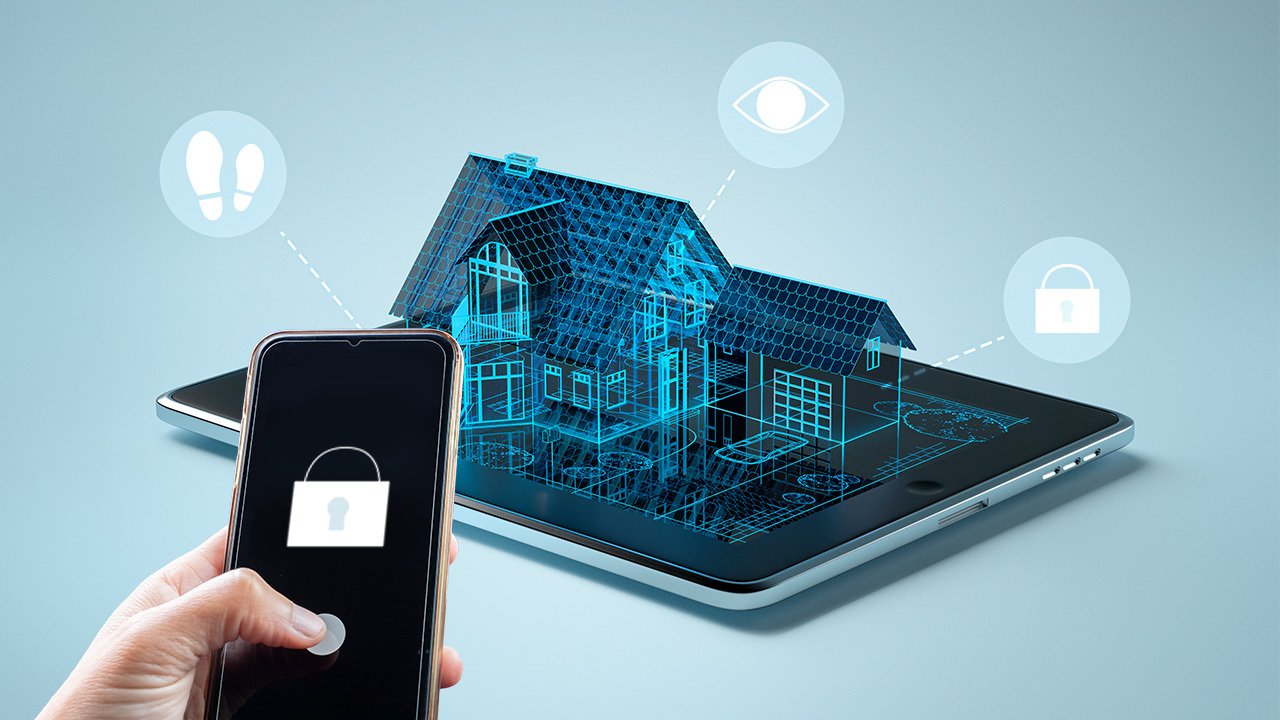
Modern living has been transformed by the rapid advancement of Smart Home technology, creating new standards of comfort, safety, and convenience. What once felt like futuristic innovation has now become a practical solution for everyday households around the world. At Deep Dive Picks, we explore how Smart Home devices simplify routines, improve energy management, boost home security, and give homeowners unprecedented control over their environment. These systems are no longer luxury items reserved for high-tech enthusiasts; they are now accessible, reliable, and designed to integrate seamlessly into daily life. With thoughtful design and growing affordability, Smart Home innovation has become one of the most impactful advancements in modern living.
The appeal of a Smart Home lies in its ability to automate repetitive tasks and eliminate the stress associated with managing a busy household. From remotely controlling lights to adjusting thermostats based on real-time environmental data, these solutions reduce mental load and give users more time to focus on meaningful activities. Deep Dive Picks evaluates these technologies not just for their novelty, but for their long-term reliability, real-world performance, and ease of use. As homeowners continue to embrace digital transformation, Smart Home devices are increasingly seen as essential infrastructure rather than optional upgrades.
Understanding the Smart Home Ecosystem
The foundation of a Smart Home ecosystem is built on interconnected devices that communicate through secure wireless protocols. These devices rely on home Wi-Fi networks, dedicated hubs, and cloud-based processing to collaborate and perform tasks automatically. A well-designed Smart Home setup functions as an integrated digital assistant that learns user preferences and adapts to daily patterns. This adaptability allows homes to respond dynamically to changing conditions, such as adjusting lighting levels at sunset or optimizing temperature when occupants arrive or leave.
Deep Dive Picks emphasizes that a true Smart Home experience is not defined by individual devices, but by the way they work together. Interoperability has become one of the most important factors in building a reliable system. Homeowners now seek devices that support open standards and communicate effectively across multiple platforms. This shift has driven manufacturers to prioritize compatibility, security, and long-term software support. The result is a Smart Home environment that feels intuitive, responsive, and resilient over time.
Another key aspect of the Smart Home ecosystem is data-driven intelligence. Devices collect information about usage habits, environmental changes, and performance patterns. When processed responsibly, this data enables predictive automation that anticipates user needs. For example, heating systems can warm selected rooms before occupants wake up, while security systems can adjust sensitivity based on neighborhood activity. These subtle enhancements accumulate into meaningful lifestyle improvements that define the modern Smart Home experience.
Smart Home Assistance Through Intelligent Voice Control
Voice-controlled technology has rapidly become one of the most recognizable features of a Smart Home environment. Intelligent assistants respond to natural language commands, allowing users to activate devices, request information, or manage schedules without lifting a finger. This hands-free control dramatically improves accessibility for users of all ages and physical abilities. Deep Dive Picks highlights that voice integration is not simply about convenience; it provides a safer way to interact with household systems while cooking, carrying children, or managing multitasking situations.
Within a Smart Home, voice assistants act as centralized control points that reduce complexity. Rather than navigating multiple mobile applications, users can issue direct threats or requests through simple spoken commands. Over time, these systems learn speech patterns and preferences, becoming more accurate and responsive. This personalization is a cornerstone of effective Smart Home design and significantly contributes to user satisfaction.
Privacy and security remain central topics when discussing voice-centric Smart Home technology. Manufacturers now incorporate robust encryption and device-level authentication to protect voice data. Local processing is increasingly favored for sensitive commands, reducing reliance on cloud transmission. Deep Dive Picks recognizes that trust in Smart Home systems grows when users feel confident that their personal data is protected without compromising the intelligence of the system.
Smart Home Lighting Systems That Adapt to Your Lifestyle
Lighting is one of the most impactful and immediately noticeable areas of Smart Home innovation. Traditional light switches are being replaced by intelligent systems that adjust brightness, color temperature, and timing based on user behavior. These systems allow homeowners to create custom lighting scenes that align with specific activities such as reading, relaxing, or working. A well-implemented Smart Home lighting setup improves mood, supports productivity, and reduces eye strain through careful calibration.
Deep Dive Picks explores how adaptive lighting transforms living spaces into responsive environments. Motion sensors, ambient light detection, and occupancy tracking combine to ensure that lights operate only when needed. This not only enhances comfort but also significantly reduces electricity consumption. Smart scheduling enables lights to follow daily routines automatically, creating the impression of an intuitive and attentive Smart Home.
Advanced Smart Home lighting also supports remote access, allowing homeowners to control illumination even when away from home. This feature adds an extra layer of security by simulating occupancy, deterring potential intruders. Over time, these systems learn household behaviors and fine-tune lighting patterns to maintain optimal balance between efficiency and user satisfaction.
Climate Control and Energy Management in a Smart Home
One of the most valuable benefits of a Smart Home is intelligent climate control. Smart thermostats and environmental sensors work together to maintain ideal indoor temperatures while minimizing wasted energy. These systems consider factors such as outdoor weather conditions, humidity levels, and room occupancy to make real-time adjustments. The result is a comfortable living environment achieved with significantly lower energy consumption.
Deep Dive Picks emphasizes that Smart Home climate systems extend beyond simple temperature regulation. They create detailed energy usage profiles that help homeowners understand where power is being consumed and how it can be optimized. This transparency encourages informed decision-making and promotes sustainable living practices. Over time, these systems can generate measurable savings on utility bills while reducing environmental impact.
Another advantage of Smart Home energy management is predictive maintenance. Sensors can detect irregular performance in heating and cooling units, alerting homeowners before small issues develop into expensive repairs. This proactive approach to home maintenance represents a fundamental shift in how households interact with their infrastructure and highlights the long-term value of Smart Home technology.
Smart Home Security Systems for Modern Living
Security is one of the most compelling reasons homeowners invest in Smart Home technology. Intelligent cameras, motion detectors, and door sensors work together to provide continuous monitoring and instant alerts. Unlike traditional security systems, these solutions offer real-time remote access, allowing homeowners to check their property from anywhere in the world. Deep Dive Picks observes that this level of control fundamentally changes how people perceive home safety.
A well-designed Smart Home security system does more than simply detect intrusions. It uses artificial intelligence to distinguish between normal household activity and potential threats. This reduces false alarms and increases trust in the system. Facial recognition and object detection capabilities are becoming standard features, further enhancing the precision of modern Smart Home protection.
Advanced automation also plays a role in Smart Home security. Doors can be programmed to lock automatically at specific times, and cameras can activate based on unusual motion patterns. When combined with smart lighting, these systems create realistic occupancy simulations that deter criminal activity. This holistic approach to safety positions the Smart Home as a proactive guardian rather than a passive alarm system.
Smart Home Kitchen Innovations That Save Time and Effort
The kitchen has become one of the most dynamic spaces in the Smart Home environment. Intelligent appliances now assist with meal planning, cooking precision, and inventory management. Refrigerators can monitor food freshness and suggest recipes based on available ingredients. Ovens can adjust cooking temperatures automatically to prevent overcooking, ensuring consistently high-quality meals with minimal effort.
Deep Dive Picks highlights that Smart Home kitchen technology is designed to reduce waste and improve dietary habits. By tracking expiration dates and portion sizes, these systems help families make healthier, more sustainable food choices. Automated reminders ensure that groceries are restocked on time, reducing last-minute trips and unnecessary spending.
Voice and app-controlled kitchen features allow users to manage cooking tasks even when away from the kitchen. A Smart Home oven can be preheated remotely, while coffee machines can prepare fresh beverages according to personalized schedules. These small efficiencies compound over time, transforming the kitchen into a responsive and supportive environment that adapts to each household’s unique rhythm.
Smart Home Entertainment and Media Control
Entertainment has been significantly enhanced through Smart Home integration. Home theaters, music systems, and televisions can now be controlled through centralized platforms that synchronize audio and visual experiences across multiple rooms. This seamless control creates immersive environments tailored to relaxation, social gatherings, or focused work sessions.
Deep Dive Picks explores how Smart Home entertainment systems leverage artificial intelligence to recommend content based on viewing habits and preferences. Lighting and sound can be adjusted automatically to complement different types of media, such as dimming lights for movies or enhancing acoustics for music. These subtle enhancements elevate everyday entertainment into a premium, theater-like experience.
Multi-room audio is another defining feature of the Smart Home entertainment landscape. Users can broadcast music throughout the house or create isolated listening zones with independent controls. This flexibility allows for personalized experiences without disrupting other household members, reinforcing the idea that a Smart Home adapts to individual needs rather than imposing uniform settings.
Smart Home Health and Wellness Technologies
Health-focused Smart Home devices are rapidly gaining popularity as people prioritize well-being and preventive care. Intelligent air purifiers monitor air quality in real time and adjust filtration levels to remove pollutants, allergens, and harmful particles. Sleep monitoring systems track nighttime habits and optimize bedroom conditions to promote deeper, more restorative rest.
Deep Dive Picks recognizes that wellness-centered Smart Home technology provides actionable insights rather than passive data collection. These systems offer personalized recommendations, such as adjusting humidity levels or altering lighting temperatures to support circadian rhythms. Over time, users gain a clearer understanding of how their environment affects their health, empowering them to make informed lifestyle changes.
Fitness integration is another emerging area within the Smart Home ecosystem. Connected exercise equipment can track performance, suggest personalized training plans, and integrate with virtual coaching platforms. This creates a comprehensive wellness environment where physical activity, recovery, and environmental comfort are seamlessly coordinated.
Smart Home Automation for Everyday Productivity
Productivity has been redefined through the strategic use of Smart Home automation. Daily routines such as waking up, preparing for work, and winding down at night can be automated through carefully designed schedules. Lights can gradually increase in brightness to simulate sunrise, while coffee machines and thermostats activate based on preset routines. These subtle automations reduce friction and help users start and end their day with greater efficiency.
Deep Dive Picks highlights that effective Smart Home automation is built around user intent rather than technical complexity. Custom scenes allow multiple devices to work together in response to a single command or time trigger. This orchestration minimizes manual intervention and reduces cognitive load, allowing homeowners to focus on high-priority tasks.
Work-from-home environments particularly benefit from Smart Home productivity features. Noise-canceling systems, adaptive lighting, and temperature control create ideal conditions for concentration. Over time, these enhancements contribute to improved work performance, reduced stress levels, and healthier work-life balance.
Smart Home Accessibility and Inclusive Living
Accessibility is one of the most meaningful impacts of Smart Home technology. For individuals with mobility challenges, visual impairments, or age-related limitations, intelligent systems provide a new level of independence. Automated doors, voice-controlled lighting, and remote appliance management reduce the physical strain associated with daily tasks. These practical improvements significantly enhance quality of life and promote inclusive living environments.
Deep Dive Picks emphasizes that Smart Home accessibility features are not limited to specialized use cases. Universal design principles are increasingly being adopted across mainstream products, benefiting a wider audience. Customizable interfaces allow users to tailor device behavior to their specific needs, ensuring that technology serves as an empowering tool rather than a barrier.
Emergency response integration further strengthens the role of Smart Home systems in accessibility. Wearable devices and environmental sensors can detect falls or unusual activity patterns and automatically alert caregivers or emergency services. This level of proactive support provides peace of mind to both users and their families.
Smart Home Data Protection and Digital Trust
As Smart Home systems become more deeply integrated into daily life, data protection has emerged as a critical priority. Modern devices collect and process large volumes of information, making robust security frameworks essential. Deep Dive Picks focuses on how manufacturers implement end-to-end encryption, multi-factor authentication, and local data processing to protect user privacy.
Trust in a Smart Home environment is built through transparency and user control. Homeowners are increasingly given the ability to manage data permissions, review activity logs, and customize security settings. This empowerment fosters a sense of ownership and reduces concerns about unauthorized access or data misuse.
Ongoing software updates are another cornerstone of Smart Home security. Regular patches address potential vulnerabilities and introduce new features that enhance performance and protection. A well-maintained Smart Home system evolves alongside emerging threats, ensuring long-term reliability and peace of mind for users.
Smart Home Trends Shaping the Future
The future of Smart Home technology is driven by rapid advancements in artificial intelligence, machine learning, and edge computing. Devices are becoming more autonomous, capable of making real-time decisions without relying entirely on cloud-based processing. This shift increases speed, reliability, and data privacy, creating a more resilient Smart Home infrastructure.
Deep Dive Picks observes that sustainability is becoming a central theme in Smart Home development. Energy-efficient hardware, recyclable materials, and low-power communication protocols are being prioritized to reduce environmental impact. These innovations align with global efforts to promote responsible consumption and ecological stewardship.
Interoperability standards are also shaping the future of the Smart Home ecosystem. Industry-wide collaboration is leading to unified communication protocols that simplify device integration and enhance user experience. As these trends continue, the Smart Home will evolve from a collection of independent devices into a fully unified digital living environment.
The Role of Deep Dive Picks in Smart Home Education
Deep Dive Picks is committed to delivering research-backed insights that help consumers navigate the complex world of Smart Home technology. Through in-depth analysis, real-world testing, and expert evaluation, we provide readers with trustworthy information that supports confident purchasing decisions. Our approach focuses on transparency, long-term value, and practical usability.
Our editorial process emphasizes hands-on experience with Smart Home devices, ensuring that recommendations are grounded in real-life performance rather than marketing claims. By continuously monitoring industry trends and technological advancements, Deep Dive Picks remains a reliable resource for anyone seeking to create a smarter, safer, and more efficient home environment.
Education plays a vital role in the successful adoption of Smart Home systems. We strive to demystify complex concepts and present them in a clear, accessible manner. This commitment empowers users to harness the full potential of their technology while avoiding common pitfalls and inefficiencies.
Conclusion
The evolution of Smart Home technology has redefined what it means to live comfortably, safely, and efficiently in the modern world. From intelligent climate control and adaptive lighting to advanced security and wellness monitoring, these innovations have become essential components of contemporary living. By reducing manual effort and enhancing environmental awareness, Smart Home systems enable users to focus on what truly matters in their daily lives. Deep Dive Picks remains dedicated to guiding readers through this rapidly evolving landscape, providing the knowledge and insight required to make informed decisions. As technology continues to advance, the Smart Home will remain at the center of smarter, healthier, and more connected living. You’ll find more useful information on our main page.
Frequently Asked Questions (FAQs)
What is a Smart Home and how does it work?
A Smart Home is a connected living environment where devices communicate through wireless networks and automation systems to perform tasks such as lighting control, climate adjustment, and security monitoring. These systems work by combining sensors, software, and user-defined preferences to create responsive and adaptive home experiences.
Are Smart Home devices difficult to install?
Most Smart Home devices are designed for straightforward installation and guided setup through mobile applications. While some advanced systems may require professional assistance, the majority of consumer devices are built to be user-friendly and accessible.
How secure are Smart Home systems?
Smart Home systems are increasingly secure due to the use of encryption, authentication protocols, and regular software updates. When configured properly, they provide strong protection against unauthorized access and maintain user privacy.
Can Smart Home technology reduce energy bills?
Yes, Smart Home technology significantly reduces energy consumption by optimizing heating, cooling, and lighting based on real-time usage patterns. This efficiency translates into noticeable savings on utility bills over time.
Is Smart Home technology suitable for older adults?
Smart Home technology is highly beneficial for older adults because it improves accessibility, safety, and independence. Features such as voice control, automated lighting, and emergency alerts help create a supportive and secure living environment.